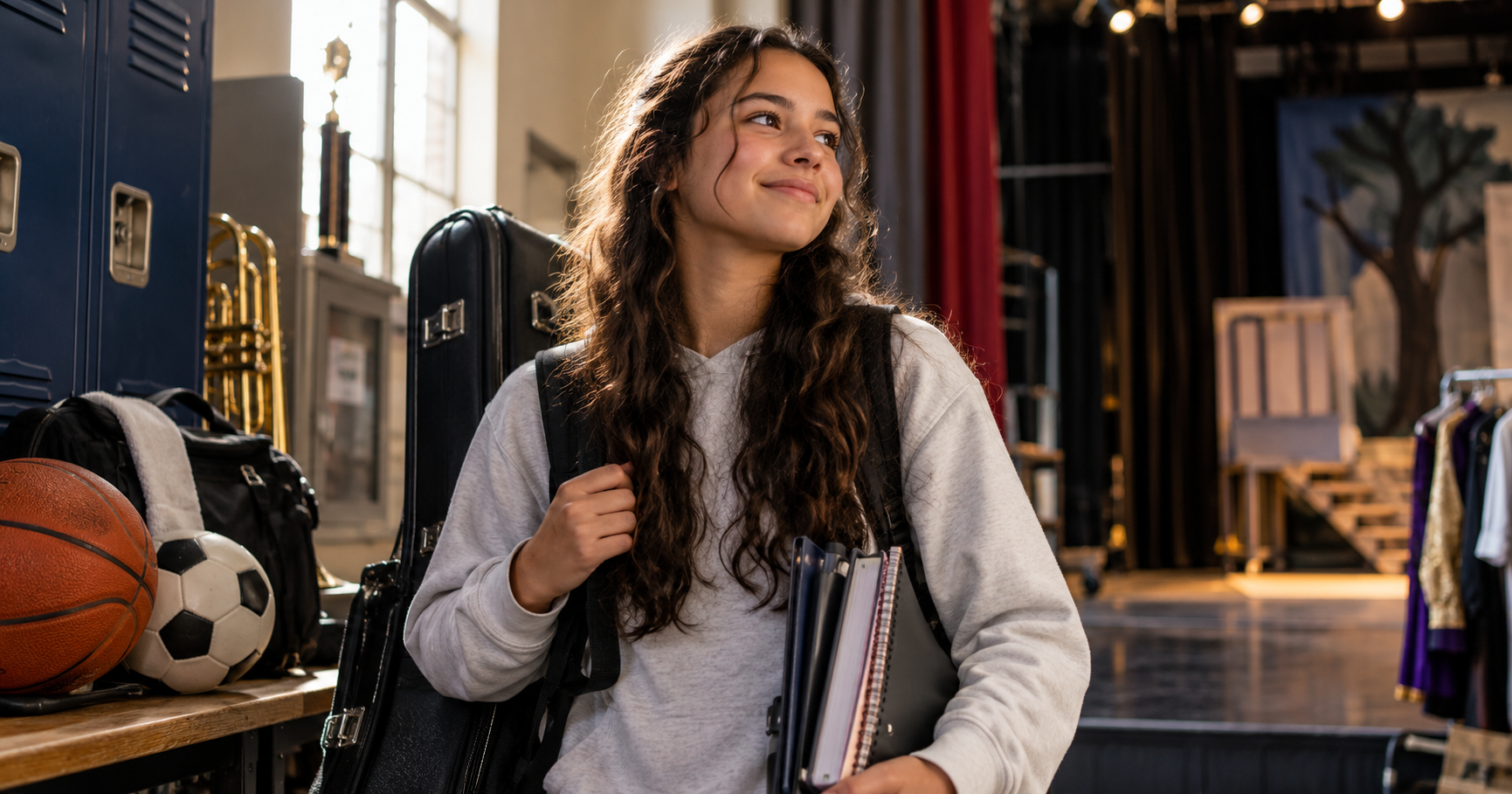
Storm Lake St. Mary’s Catholic School faced a problem familiar to smaller schools: declining athletic participation and difficulty finding coaches. Rather than eliminate opportunities for its students, the school expanded its partnership with the Storm Lake Community School District.
In July, St. Mary’s announced that students in grades 7–12 would participate in the public district’s athletic programs beginning with the 2026–27 school year. Dance team remains a St. Mary’s program.
The schools had already shared certain sports, including football. The expanded agreement gives St. Mary’s students access to additional athletic programs while allowing them to continue their education in a smaller Catholic school environment.
That kind of cooperation gives students access to more extracurricular activities without requiring families to change schools.
Iowa lawmakers took another step in that direction this year, expanding state law to include extracurricular activities beyond athletics.
Iowa Expands Extracurricular Access
On May 12, 2026, House File 2754 was signed into law. Among its provisions, the legislation amended Iowa Code §280.13D to expand opportunities for accredited nonpublic school students to participate in extracurricular activities offered by public school districts.
The law specifically identifies theater, show choir, and band, although its language also encompasses other qualifying extracurricular activities.
Previously, state law already provided a pathway for nonpublic school students to participate in public school athletics under qualifying agreements. The 2026 legislation extends those provisions to additional activities and includes students attending qualifying non-virtual charter schools.
How Participation Works
The legislation does not automatically allow every nonpublic school student to participate in any public school activity.
Schools must first establish a qualifying agreement. The student’s nonpublic or charter school must not have offered the particular activity during the two immediately preceding school years. The school also cannot already have a qualifying sharing agreement with another school covering that activity under Iowa Code §280.13A.
Once an agreement is in place and the statutory conditions are satisfied, eligible students may participate under the same conditions as students enrolled in the public school district.
That includes following the district’s student code of conduct. If the district charges participation fees, it cannot charge eligible nonpublic or charter school students more than its own enrolled students.
The law also provides a separate pathway for certain students living in neighboring school districts, with additional restrictions based on whether the activity has been available through their school or home district.
School districts and nonpublic or charter schools are not required to enter these agreements. Participation depends on cooperation between the schools and compliance with the law.
More Options for Students at Smaller Schools
A smaller school may offer an educational environment that fits a family’s priorities but lack enough students, instructors, or resources to sustain every extracurricular program.
A student interested in theater should not necessarily have to give up that interest because the family’s chosen school cannot maintain a theater program.
Sharing agreements offer a practical alternative.
Storm Lake St. Mary’s provides an example through athletics. Its students can continue attending their chosen school while participating in programs offered through the public district.
The expanded law creates additional opportunities for schools to pursue that same kind of cooperation in music, performing arts, and other activities.
These partnerships also recognize that public and nonpublic schools can serve the same families in different ways without abandoning their distinct educational missions.
What Iowa Parents Should Know
Parents interested in extracurricular opportunities should begin by contacting their child’s school administrator.
Ask whether the school has an agreement with a public school district, which activities are covered, and what eligibility requirements apply. Families should also confirm any participation fees, schedules, and transportation arrangements.
The Iowa Department of Education’s House File 2754 FAQ explains the requirements for extracurricular participation, including school agreements and student eligibility.
Iowa’s educational choices extend further beyond the classroom. By expanding opportunities for school partnerships, the state has given more families a way to pursue their preferred education while keeping extracurricular activities within reach.